
Many people would like to see food production go “back to
nature,” and I think that sounds like a fabulous idea. But where I live, Nature
could care less if my family eats. I have tried raising backyard chickens for
eggs, and vegetables in a small garden, and I have been met with challenge after challenge. My latest
challenges have more than two legs.
 |
| Rest in peace, girls. :( |
I’m posting this because my chicken coop has officially
become a playhouse for the kids. The last of my beautiful, jumbo-egg laying
hens are gone, becoming another meal for the local wildlife. I commented on an
article in my local paper about urban chicken farming, saying that maybe an
urban backyard may be the ideal place for raising chickens, since my woodland
home has become a banquet hall for hungry predators. Someone was quick to “educate”
me, telling me I needed to provide them a coop so they would roost. Thanks for
the tip, but my chicken mansion had Fort Knox-like security at night. It provided
not an ounce of safety, however, for my free-rangers during the day from
coyotes and hawks. If I try it again, the days of go-where-you-want will not be
an option for my girls. And some wonder why commercial chicken producers keep
their birds in houses. Hmmm – cruelty or protecting your investment and the
food supply?
 |
| Cucumber beetles. Thank you, Ric Bessin, entomologist friend at the University of Kentucky, for the photo. |
In addition to my latest chicken chapter, we also attempted
a small garden. It is close enough to the house that the deer and rabbits have
not been visiting, but the Cucumber beetles absolutely love the squash and cucumbers
that I have provided for them. Since I do not have to rely on this garden to
feed my family, I have not used any chemical pesticides. I would go out occasionally and
knock them away, but didn’t discover their damage early enough. They were
clipping off all the blossoms. No blossoms, no fruit. Did I mention that I also
have a mysterious, volunteer gourd growing near the garden? The Cucumber
beetles really like that one, too.
I obtained the vegetable seeds from Seminis, which is
currently marketing a much-talked-about genetically modified hybrid sweet corn
called Obsession II. I asked their marketing team recently if any of my seeds
were genetically modified, and they said, “no.” I put in a request for beetle
resistant squash. If that does not happen soon, and I expect to have any decent
harvest, I believe I’ll have to go to chemical warfare. Maybe organic methods work
in other places and growing systems, but I have yet to be successful with them.
I even had a conversation with an organic farmer in Nebraska explaining that I
have had no luck growing cabbage. And to my surprise she said, “That’s why we
don’t grow cabbage.”
 |
| My chewed up cabbage from last year. Something enjoyed it! |
Our final challenge this spring and summer has been the insects that feed on me and my animals: ticks, mosquitoes, horse flies, deer flies and chiggers, as well as the diseases they
are known to carry. I've tried just about every product and method available,
and the only real relief comes from dousing my kids head to toe with Deep Woods
Off every trip outdoors. I can only imagine what that stuff is doing to our
bodies as we breathe and soak it in. Nothing works for the horses (but our bond
grows stronger every summer because they know I am pleased to provide them a
good scratch or squash a juicy horse fly). I am waiting for some smart person to develop a pill or
injectable medicine to keep the little bloodsuckers off our skin.
My challenges are not unique. Our farmers face similar adversity every day, and they are using technology and better management methods to help keep nature from destroying the food supply:
- Crop rotation and natural predators
- Crop protection products
- Structures for plants and animals
- Conventionally-bred hybrids
- Irrigation
- Genetically modified varieties that withstand drought and pests, and allow more efficient pesticide use
- Vaccines and antibiotics that keep animals healthy
- Maintaining wildlife refuge areas
And I even know of a vaccine that controls horn flies on cattle (www.flyvax.com) that could significantly reduce their stress.
Are there any of these methods that you approve of? Any you don't? Are some okay to use when maintaining a lawn or golf course, but not on food? If you do not want antibiotics used for meat animals, does that mean you would forego the same medicine for your child or pet to manage antibiotic resistance? If you don't want any trace of pesticide residues on your produce, does that mean you don't use manufactured pharmaceuticals in your own body. Are their methods you feel do more damage than good?
On one hand I appreciate technology—where would be without it? Hungry, diseased, dead?—but on the my semi-misanthropic hand, I sometimes blame technology for growing the population in the first place, thus providing us the challenge of finding, using and growing the resources to sustain weaker selves. And I understand why some blame technology for creating more challenges or environmental problems, like antibiotic resistance or reductions in beneficial insect populations.
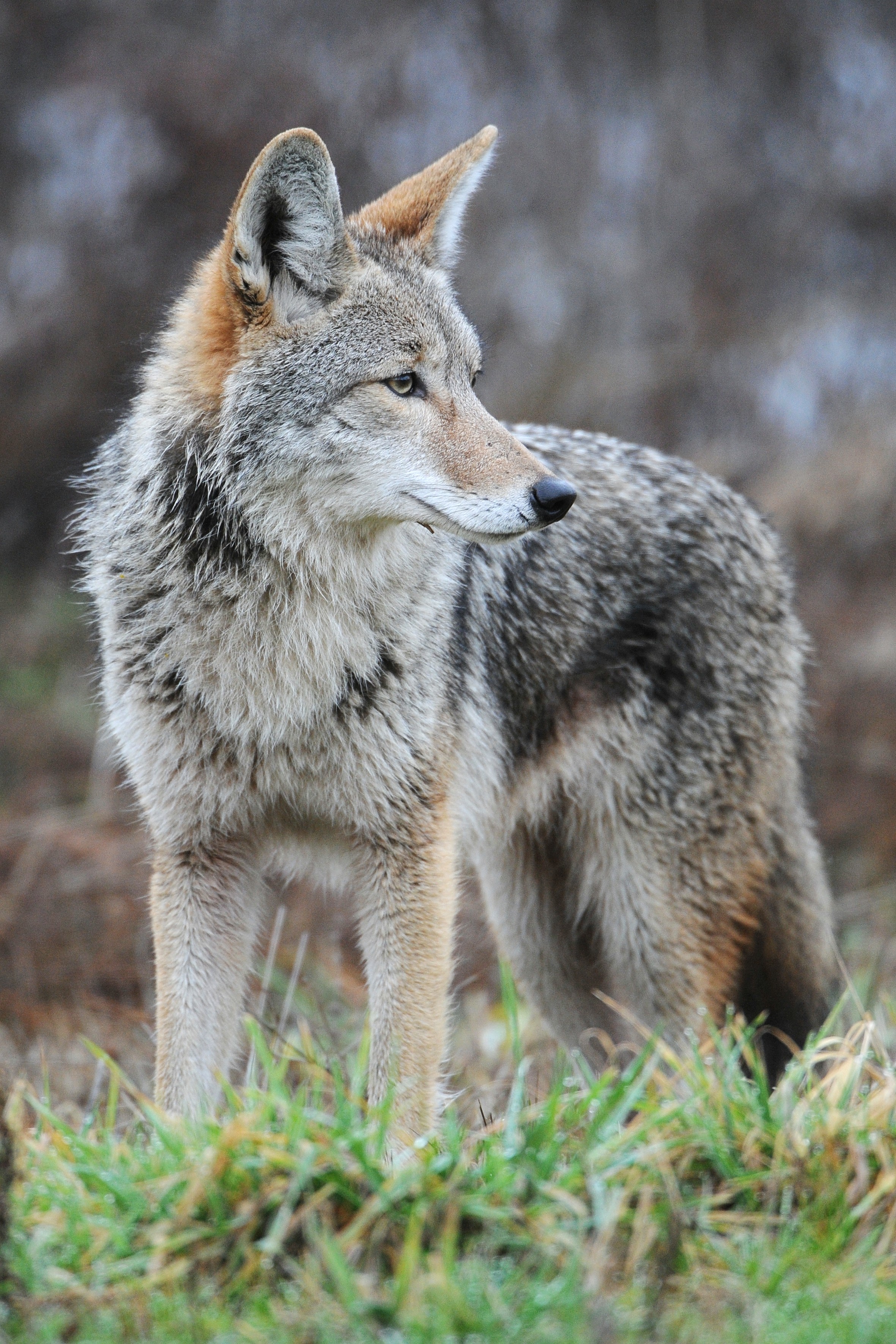 |
| Did I happen to mention one of these ran 25 ft. behind me and kids on Saturday night? I've had just about all of "nature" that I can stand. |
Some believe going back to basics (no pesticides, no manufactured fertilizers, no genetic modification, no animal confinement) will put the Earth back into a more natural balance, as "God intended." This philosophy may actually work for some farmers and gardeners. And these food producers have a pretty good base of customers and supporters in our current day.
But is going back to the
beginning really the answer? Do we sit back and pray for the best, or do we use the
minds that God gave us to continually outsmart the nature He created in order to flourish?
The biggest issue I have is that
some are encouraging our lawmakers and regulators to restrict the use of
technology and dictate how food should be produced. Based on my experience, I
don’t think there is any way we could produce enough food for our increasing
population using 19th century farming methods. I also know that some technologies may need to change
— or get better
— to protect the Earth and future generations.
What I find as the silver lining here is that I think we can
have it all – enough food for everyone, today and in the future, with less strain on our environment. I believe environmental
responsibility is a value shared by all farmers, whether they are USDA
certified organic, heritage seed savers, or the 3000-acre corn farmer using the
latest genetically-modified variety so she does not have to spray as much
pesticide or use as much fuel. I see a future of farmers working together for that common goal, and it may be as simple as a crop farmer having a conversation with his bee-keeping neighbor to manage when is the best time to spray any insecticides. But farmers must be able to choose what works
best for their climate and the nature-created challenges on our changing planet. At my house, that may be GMO squash and a shotgun.
In the end, I believe that nature will continue to change, and organisms will continue to adapt. The winner will be the one that adapts the quickest. And if a manufactured technology is what it takes to prevail, I will not pass judgment. Nature is a beast, and I want to survive!
Feel free to follow me on Facebook at http://www.facebook.com/FoodMommy or on Twitter: @foodmommy.


